
Top 5 Countries Offering Work Permits – Where You Can Start Your Career Abroad

Laura Amber, Senior Traveler, Italy
Are you dreaming of working abroad in 2025 but worried about the complex working permit process? Don’t worry, many countries are offering simpler and more streamlined work visa procedures to attract global talent.
Whether you are a skilled professional, a remote worker, or someone seeking new career opportunities, this guide highlights the Top Countries Offering Easy Working Permits in 2025.
Thus, stay connected with us through this guide, don`t miss a single sentence, and explore these countries!
1. Canada
Canada is a vast country in North America. It spans from the Atlantic to the Pacific Ocean and north into the Arctic.
Moreover, it has a population of over 37 million people and a diverse landscape.
Canada is known for its multiculturalism, various job opportunities, and high quality of life.
Why Is It Easy to Get a Working Permit?
Canada is one of the most immigrant-friendly countries in the world. Thus, its Express Entry System, Global Talent System, & Provincial Nominee Programs (PNPs) make getting a work permit relatively easy for skilled workers.

Key Work Permit Option Offered by Canada
So, below are the work permits Canada offers to the talent globally.
| Temporary Foreign Worker Program (TFWP) |
The Temporary Foreign Worker Program (TFWP) in Canada allows employers to hire foreign nationals to fill temporary labor and skill shortages when Canadian residents are unavailable. So, this program is a cluster of different work programs that have core features in common. |
| International Mobility Program (IMP) |
The International Mobility Program (IMP) in Canada allows employers to hire temporary foreign workers without needing a Labour Market Impact Assessment (LMIA), supporting Canada’s economic and cultural interests. Moreover, it covers various categories like international agreements and intra-company transfers. |
| Global Talent Stream (Fast-track) |
The Global Talent Stream (GTS) is a fast-track immigration pathway within Canada’s Temporary Foreign Worker Program, designed to help innovative and technology-driven companies access highly skilled global talent quickly. Moreover, they focus on specialized fields and occupations in demand. |
Processing Time, Fee Structure & Best For
Yet the processing time for these working permits varies, but generally, it is 2-8 weekends, depending on the program.
- Besides, the working permit fees are listed below.

- Best For
The working permit is best for IT professionals, healthcare workers, and engineers.
2. Germany
Germany is a country in Central and Western Europe. Yet, Germany has a strong economy and is a developed country. Thus, it has a significant role in European and global affairs.
Why Is It Easy to Get a Working Permit?
Germany offers a Job Seeker Visa and an EU Blue Card for highly qualified non-EU citizens.
So, with a booming economy and high demand for skilled labor. The German government has simplified its work permit rules.
Key Work Permit Option Offered by Germany
So, below are the German working permit options for skilled individuals.
| EU Blue Card |
So, the EU Blue Card is a residence & work permit for highly skilled non-EU nationals. It is designed to attract and retain talent within the European Union. Moreover, it offers them the right to live and work in Germany. |
| Job Seeker Visa (6-month stay to find work) | The German Job Seeker Visa allows non-EU nationals to stay in Germany for up to six months to actively search for employment. So, it requires vocational or professional training and proof of sufficient funds. |
| Skilled Immigration Act Pathways | The new German Skilled Immigration Act (FEG), effective from Spring 2024, introduces pathways for skilled workers, including “entry and employment under a recognition partnership,” and “entry to undergo a skills analysis.” |
Processing Time, Fee Structure & Best For
The processing time for this visa takes 1-3 months for approval, but it may vary if further documentation is required.
- Generally, the work permit fees for a German working permit are

- Best For
This visa is best for engineers, IT professionals, healthcare workers, and skilled trades.
3. Portugal
Portugal is a country located in southwestern Europe. So, it is located on the Iberian Peninsula and shares its border with Spain to the north & east and the Atlantic Ocean to the west and south.
Why Is It Easy to Get a Working Permit?
Portugal offers easy access to work and residence permits through its D7 Visa (passive income) & Digital Nomad Visa.
So, the country also welcomes entrepreneurs to teach professionals.
Key Work Permit Option Offered by Portugal
These are three working permits that are offered by the Portuguese authorities to skilled individuals.
| Portugal D7 Visa |
This is a residence visa aimed at foreign retirees and other foreign nationals who wish to reside in Portugal based on their own income, such as pensions, retirements, property rents, company profits and dividends (passive income holders). Moreover, it is also for foreigners who intend to engage in religious activities in Portugal. |
| Digital Nomad Visa | Portugal’s Digital Nomad Visa, officially the D8 visa. It allows non-EU/EEA citizens to reside and work remotely in Portugal with options for temporary stay or a path to long-term residency and eventually citizenship after 5 years. |
| Tech Visa (for startup & IT) |
Portugal Tech Visa streamlines the process for companies to hire highly qualified, specialized foreign tech professionals. Moreover, they offer faster processing times and simplified procedures for these visas. |
Processing Time, Fee Structure & Best For
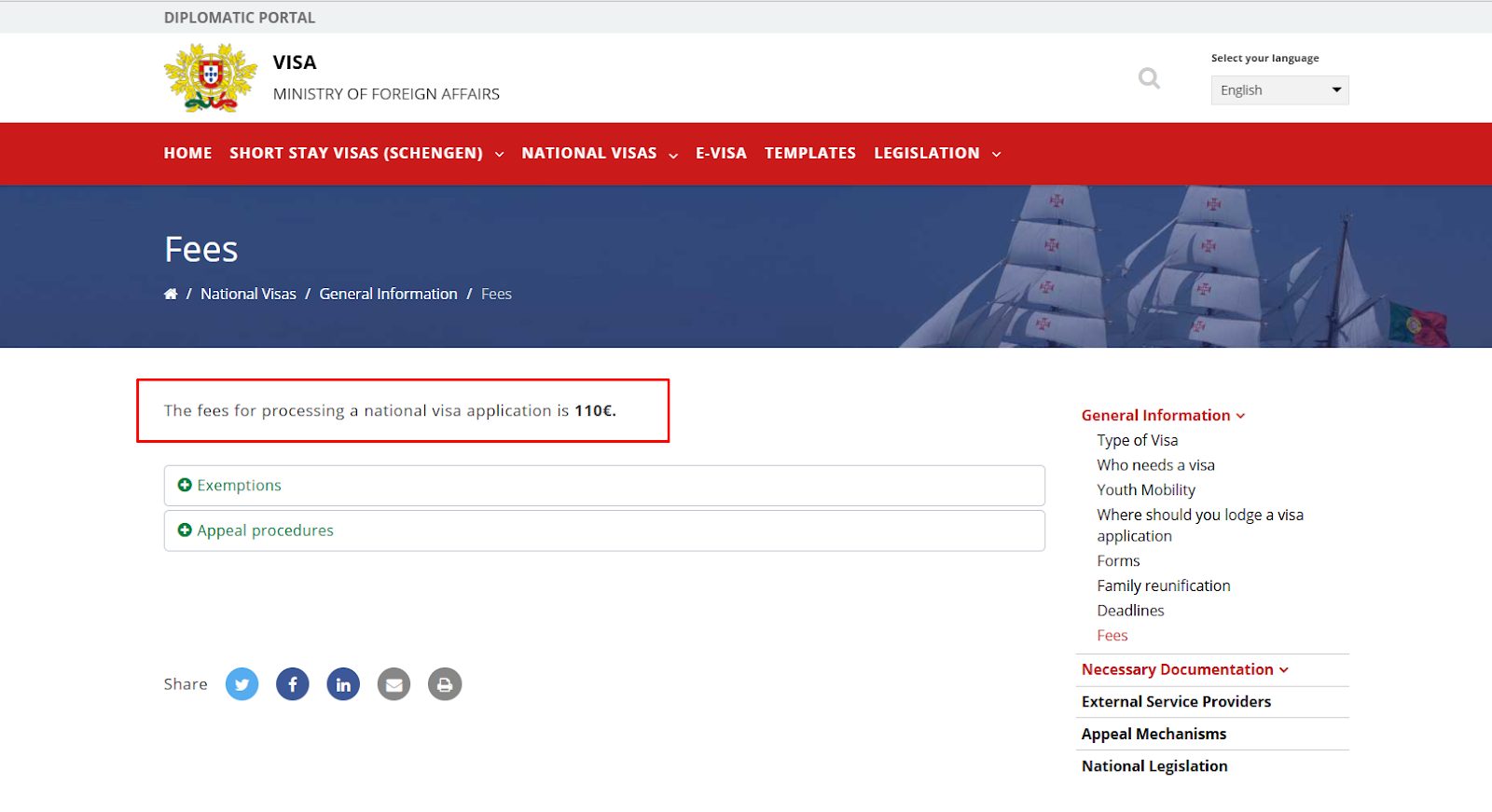
The time of visa processing takes 60-90 days, and the fee structure for the Portuguese working permit is
- Best For
Hence, the working permit is best for remote workers, freelancers, and tech professionals.
4. UAE (United Arab Emirates)
The UAE is located on the eastern coast of the Arabian Peninsula, and it comprises seven emirates.
So, the country has a strong economy and is known for its oil wealth, and it is a trade and transport hub of the world.
Why Is It Easy to Get a Working Permit?
The UAE has introduced several new visa categories to attract global professionals. So, the Green Visa & Freelance Permit offers more flexibility for working individuals.
Key Work Permit Option Offered by the UAE
The UAE generally offers the following working permits to talented individuals globally.
| Green Visa (self-sponsored work visa) |
The Green Visa is a type of residence visa in the United Arab Emirates that allows its holders to sponsor themselves for five years. Moreover, it eliminates the need for a UAE national employer to sponsor their visa. |
| Freelance Visa |
A freelance visa is a self-employed visa, allows skilled individuals to work remotely and travel while maintaining a business or freelance income. Besides, this visa enables them to work and live in another country. |
| Employer-sponsored work permits | So, the work permits allow talented foreign nationals to work and reside in the country, requiring a job offer and sponsorship from a UAE-based company. |
Processing Time, Fee Structure & Best For
The time required for the processing of UAE working permits is typically 2-4 weeks. Yet the time varies depending on several factors.
- The fee structure for UAE working permits is

- Best For
This visa is ideal for freelancers, digital professionals, and hospitality staff.
5. New Zealand
New Zealand is an island country in the southwestern Pacific Ocean. Yet, it comprises two main islands (North & South) and many smaller islands.
Moreover, New Zealand has a diverse economy and is considered a wealthy country.
Why Is It Easy to Get a Working Permit?

New Zealand is known for its transparent immigration system and demand for skilled workers.
So, its Accredited Employer Work Visa (AEWV) makes it easier for foreigners to find jobs and get permits.
Key Work Permit Option Offered by New Zealand
Here is the list of working permits generally offered by New Zealand to talented individuals globally.
| Accredited Employer Work Visa (AEWV) | This visa is the primary temporary work visa, which allows foreign skilled workers to work for accredited employers for up to 5 years, particularly in industries facing skill shortages. |
| Skilled Migrant Category Visa |
The Skilled Migrant Category (SMC) Resident Visa in New Zealand is a pathway to residency for individuals with skills and qualifications that can contribute to the New Zealand economy. So, this visa required a points-based assessment and a job offer or the ability to demonstrate skills and experiences. |
Processing Time, Fee Structure & Best For
The processing time for a New Zealand working permit is 20-60 working days, but it requires more days if further documentation is required. Besides, the fee structure of working permits is generally mentioned in the given link.
- Best For
These permits are best for nurses, construction workers, and IT professionals.
Summary Table of Work Permit Highlights
| Country | Top Visa/Permit Pathway | Key Industries |
| Germany | Opportunity Card, EU Blue Card | IT, Engineering, Healthcare |
| Canada | Express Entry, PGWP | Healthcare, Tech, Mining |
| Australia | Skilled Independent, Temporary Graduate | Medical, Engineering, IT |
| Italy | Decreto Flussi (Flow Decree) | Agriculture, Tourism, Logistics |
| The Netherlands | Orientation Year, Highly Skilled Migrant | Tech, Research, Energy |
What is the Difference Between a Work Visa & a Work Permit?
A work visa and work permit are both different terms having different purposes and parameters. So, let’s explore the main differences between these two terms.
|
Factors of Differences |
Work Visa |
Work Permit |
| Definition |
A work visa allows entry into a country for employment purposes. Yet, it is a permit given by the host country. |
A work permit authorizes a foreign national already in the country to work, often for a specific employer and job role. |
| Purpose |
Grants permission to enter a country for employment. |
Authorizes a foreign national who is already in the country to work legally. |
| Focus |
Primarily focuses on the right to enter and stay in the country for work. |
So, the work permit primarily focuses on the right to work within the country, not entry. |
| Employer |
May or may not be tied to a specific employer, depending on the visa type. |
Often tied to a specific employer and job role. |
| Example |
A visa that allows someone to work in the United States for a specific employer. |
An official document from the U.S. government that allows immigrants to work in the United States. |
| Duration |
Usually granted for a defined period, and allows individuals to work legally in the host country during that time. |
Validity may depend on the specific agreement with the employer and the conditions of the permit. |
Process to Apply for a Work Permit
The procedure for getting a work permit varies by country; the standard process typically includes the following stages.
Stage 1: Secure a job offer
For most permits, you must have a confirmed job offer from an employer in the destination country. For this purpose, the employer may need to prove they could not find a local citizen to fill the role through the processes. In some cases, such as Germany’s Opportunity Card, you may apply without a prior job offer if you meet points-based criteria like education and language skills.
Stage 2: Prepare the documents
Gathering and submitting the complete documents is a vital step to avoid delays. The standard essentials include, valid passport, proof of financial resources, a health and character certificate, and proof of qualifications.
Stage 3: Submit the application
Most countries now use digital platforms, such as the IRCC Secure Account for Canada or the UK Visas and Immigration (UKVI) system. Also, pay processing and biometric fees online at the time of submission.
Stage 4: Provide Biometric Data And Interviews
In addition, you would probably need to visit a local Visa Application Centre to give your fingerprints and take a digital photo. Aside from this, there might also be a need to have your background and work information validated either physically or online.
Stage 5: Wait for Processing & Approval
Lastly, the processing time may range from several weeks to several months, depending on the respective country and type of visa. Upon approval, a visa stamp will be granted to your passport or an electronic authorization letter to allow you to proceed to the host nation to start your job.
What are the Tips for Getting a Working Permit Easily in 2025?
So, here are some useful tips to follow to get working permits easily.
Tip 1: Match Your Skills with In-Demand Occupations
Yet, most countries have skill shortage lists. Thus, align your qualifications according to the skills and demands.
Tip 2: Prepare Complete Documentation
It is advisable to submit all required documents, including a job offer letter, educational documents, and proof of experience.
Tip 3: Check for Fast-tracked Program
Countries like Canada and New Zealand offer expedited pathways for specific categories. So, always hunt for a fast-tracked opportunity.
Tip 4: Consult Official Immigration Websites
Countries change their working permit policies frequently. Thus, always rely on government sources for updated information and read the detailed information before getting a working permit.
Tip 5: Apply During Quota Openings
Many countries use yearly quotas for work permits. For example, Italy’s Decreto Flussi (Flow Decree) has specific opening days in a year where applications are accepted on a “first-come, first-served” basis.
FAQs- Top 5 Countries Offering Work Permits
Now let’s delve into the frequently asked questions section to clear individuals’ concerns, and the answers are given by experts.
1. Can I Apply for a Work Visa Without a Degree?
Yes, while many skilled visa categories require a formal education. So, countries like the UAE, New Zealand, and Portugal also welcome experienced professionals & freelancers without a traditional degree.
2. Is a Language Test Required for a Work Permit?
Some countries, like Canada and New Zealand, require proof of English proficiency.
Besides, other countries like Germany may require a basic knowledge of the local language for certain professions.
So, not all countries require a language test.
3. What are the Most In-demand Professions for Work Visas & Permits in 2025?
In-demand professions include
- Software Developers
- Nurses
- Data Analysts,
- Civil Engineers
- Construction Workers
- Digital Marketers
So, each country published its own skill shortage list, which is a great starting point for applicants.
4. What is the most common reason for application rejection?
Incomplete documents and NOC/Job Code mismatches. Many applications are rejected because the job duties described do not exactly match the official government classification for that role.
5. Are there age limits for work permits?
For general skilled permits, the range is typically 18–45 years old. Youth Mobility or Working Holiday visas are stricter, usually capped at 30 or 35 years old, depending on your nationality.
6. Can I change my employers even if I have my work permit?
This also depends on what type of permit you have. Employer-specific work permits mean that you are bound to only work in one company. You have to reapply to work in another company. On the other hand, open work permits mean that you are free to work in any company. Examples of open work permits are PGWP or Opportunity Card.
7. Can I apply for a work visa when in the country on a tourist visa?
Usually not; most states require you to apply from within your home state. However, the Opportunity Card of Germany lets you enter the country in search of employment.
Final Thoughts
Getting a work permit abroad in 2025 is easier than ever if you know where to look. From Europe to the Pacific, countries are opening their doors to skilled professionals, remote workers, and digital businesspeople.
So, there are various options for you, whether you want a high-paying job or a relaxed lifestyle while working remotely! Thus, you can enjoy a handsome income with the opportunity of living and exploring a foreign land at the same time. So, fasten your seat belt, take a step out of your comfort zone, and embark on the journey towards a brighter future with this guide. Ta-da!
Guides You Shouldn’t Miss:
No Objection Letter for Visa Application → Learn how to draft and use a No Objection Letter to strengthen your visa application.
Cheap Flight Tickets in India → Find practical tips and resources for booking cheap flight tickets in India.
A little Bit About Us
At Schengen Flight Reservation for Visa, we make the often overwhelming visa process a breeze. With verifiable documents at unbeatable prices, you are covered with Flight Reservations/Itinerary/Dummy tickets, Hotel Bookings (Proof of Accommodation), and a Travel Insurance Policy.
But that’s not all. Our services and blogs on writing a cover letter for a visa make your application process even smoother.
Are you stuck on something? Check our FAQs section or connect with us anytime through our 24/7 Live Chat because your convenience is our priority.
Our Blog section is your ultimate guide to navigating the ever-evolving world of visa policies & requirements.
Whether you are curious about the visa requirements for any country, changing visa rules & regulations, or need a comprehensive guide about any topic or visa of any country, then simply type your Query in our Blog search bar & get the ultimate detail in just a click.
So, let’s make your visa journey seamless, informed & stress-free!
most searched articles