
The Digital Nomad Visa Boom: Spain joins Germany, Portugal, Croatia, Estonia, Greece, and Others

The European countries, also known as Schengen states, have transformed the digital nomad visas into a mainstream residency pathway. How? Because the landscape of global mobility is undergoing a seismic shift. Spain, alongside its neighbors such as Portugal, Croatia, Estonia, and Italy, has transformed the face of remote work.
Therefore, starting in 2026, more than 50 countries will offer dedicated remote-work permits to international travelers. Meanwhile, Spain is currently ranked the No. 1 destination due to its specialized tax incentives and accessible income thresholds, such as the Beckham Law.
The Rise of the Spanish Super-Visa
The global talent hunt for digital talent is at a fever pitch in 2026. Spain’s Digital Nomad Visa (DNV), which was launched under the 2023 Startup Act, has rewritten the rulebook for what remote workers want from a host country. By offering a 3-year residence visa to domestic applicants, Spain has circumvented the bureaucratic nightmare of one-year consulate visas that plagued this region in the past.
The main attraction is, of course, the Beckham Law, whereby professionals can pay a flat rate of 24% on income of up to €600,000 for six years. This is a very potent lure for high-earning tech professionals from the US and UK, who might be put off by Spain’s progressive tax rates. However, as of March 2026, things have changed, and to qualify for this special tax regime, individuals must demonstrate a minimum income of €2,849 a month, or 225% of Spain’s minimum wage.
A Corridor of Competition: From Lisbon to Athens
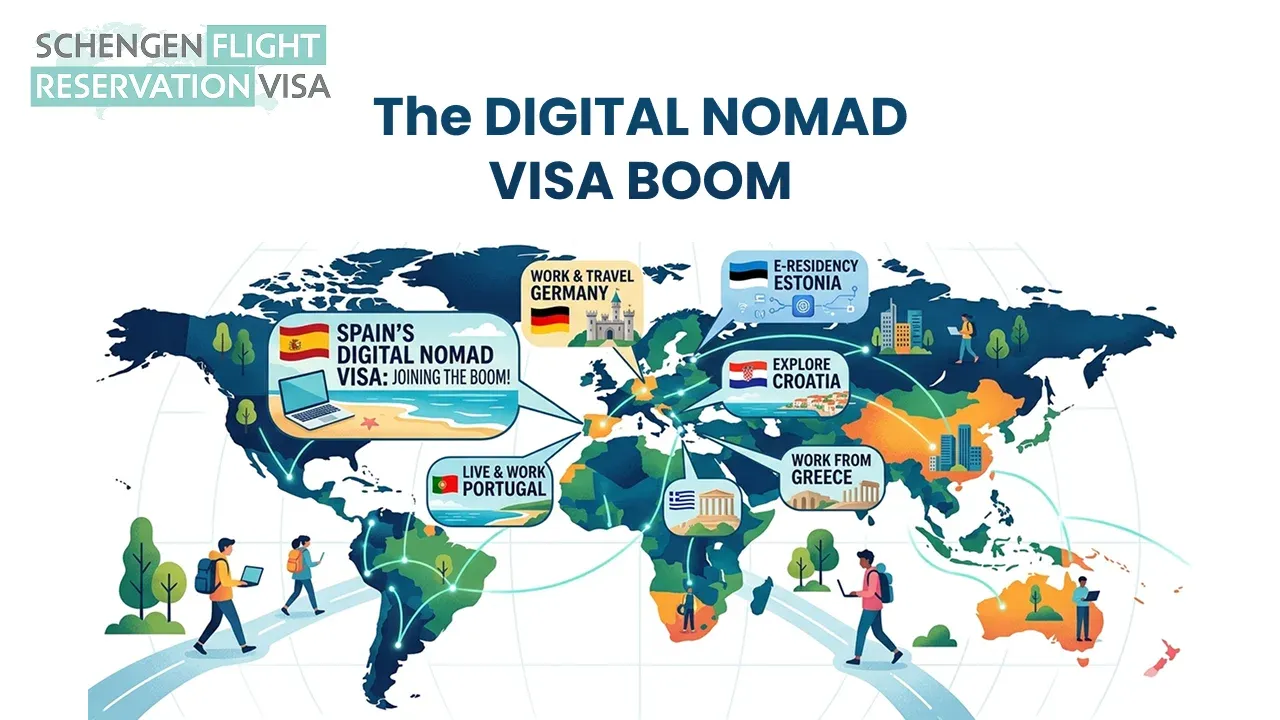
Spain is not acting solo in the race for the European remote work system, which has formed, and countries can use visas as a tool for economic revitalization.
For example, look at the following Schengen countries.
- Portugal is one of the most favorite states for those individuals who are seeking an EU passport. Moreover, they are eager to find a path to citizenship after just five years. This is one of the rarest features among the nomad programs.
- Besides, Greece has also witnessed a Non-Dom regime by offering a 50% tax discount for seven years. However, this requires the nomad to stay in the country for more than 183 days in a year.
- Lastly, Italy is the latest major player that has seen a surge in applications since its launch in 2024. This is particularly famous among American tech workers due to its relatively low monthly income requirement, which is 2,333 euros.
Tax Havens and Low-Cost Advantage
While lifestyle is a major factor in Western Europe, Eastern and Central Europe are currently competing based on cost. Croatia and Romania have become tax havens for nomads, offering complete exemption from local income tax for foreign wages.
With high internet speeds in Zagreb and Bucharest, these regions have become more popular among a new generation of younger and more price-conscious freelancers.
Estonia, the original leader in infrastructure, still offers a high standard of infrastructure through its e-residency program; however, its high income requirement of €4,500/month limits this to high-end professionals.
The 2026 Reality Check: Infrastructure and Impacts
The boom is not without friction. Popular destinations such as Lisbon, Valencia, and Malaga are struggling with double-digit rent increases and gentrification resistance. In response, some governments are introducing stricter regulations.
For instance, the Greek government has abolished the option of applying for a nomad permit while in the country on a tourist visa. Applicants now have to access the application process through consulates in their own countries.
In addition, the wild west of nomadism is coming to an end with the introduction of the EU’s Entry-Exit System in 2025. It is no longer possible to reset a 90-day Schengen validity period with regular border crossings. These official visas are now the only viable option for remote workers.
Conclusion: The Permanent Mainstream
As we are moving towards 2027, the concept of a digital nomad visa has been constantly changing and has become a permanent mainstream of global immigration policy. In addition, countries like Belgium and Finland are working on their own version of a nomad visa.
Hence, the future of work in another international country is undoubtedly borderless, yet taxed, regulated, and scrutinized.
A little Bit About Us
At Schengen Flight Reservation for Visa, we make the often overwhelming visa process a breeze. With verifiable documents at unbeatable prices, you are covered with Flight Reservations/Itinerary/Dummy tickets, Hotel Bookings (Proof of Accommodation), and a Travel Insurance Policy.
But that’s not all. Our services and blogs on writing a cover letter for a visa make your application process even smoother.
Are you stuck on something? Check our FAQs section or connect with us anytime through our 24/7 Live Chat because your convenience is our priority.
Our Blog section is your ultimate guide to navigating the ever-evolving world of visa policies & requirements.
Whether you are curious about the visa requirements for any country, changing visa rules & regulations, or need a comprehensive guide about any topic or visa of any country, then simply type your Query in our Blog search bar & get the ultimate detail in just a click.
So, let’s make your visa journey seamless, informed & stress-free!
most searched articles