
Florence in 3 Days: Renaissance Treasures & Tuscan Delights

Laura Amber, Senior Traveler, Italy
Get ready to explore Florence, an important place and a gem of the Renaissance in Italy. This Florence 3-day itinerary is crafted to provide you with immeasurable pleasure, historical knowledge, and a broad perspective on the city’s central position in the Renaissance. Besides, this journey will be an unforgettable experience in the historical city. We will guide you to the country’s most famous places.
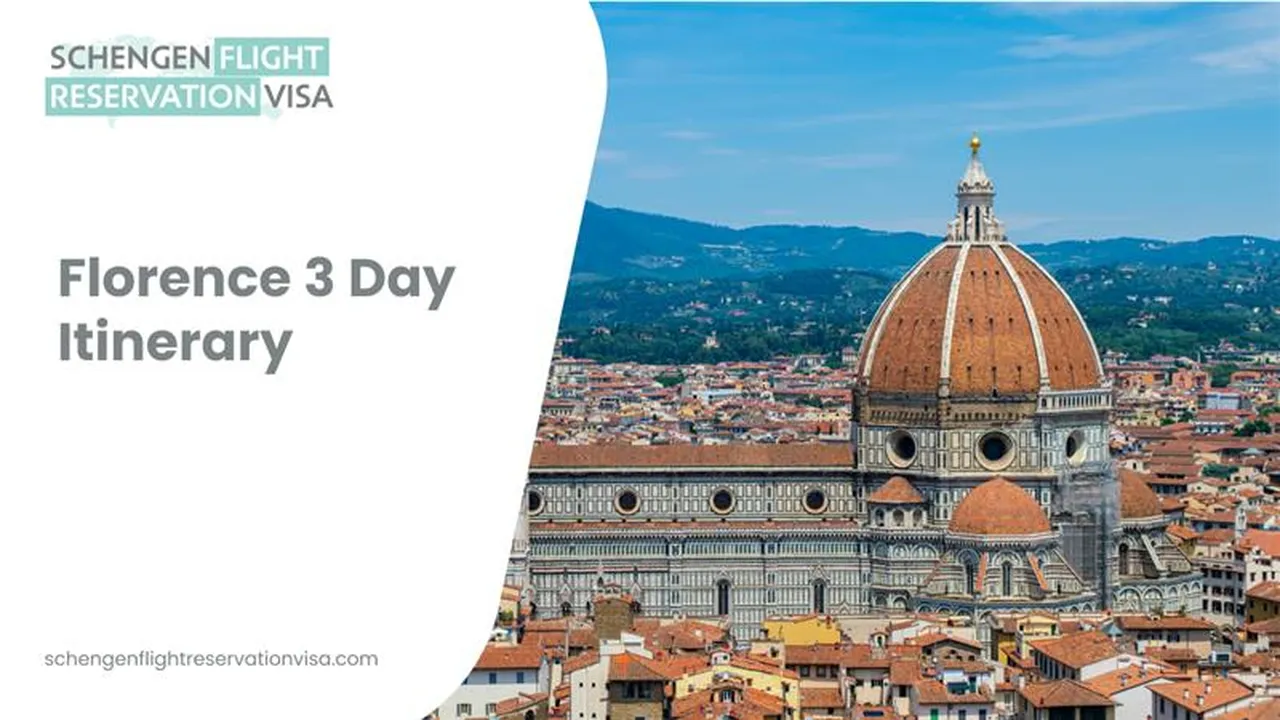
In these three days, you will visit the most iconic landmarks such as Michelangelo’s David. In the same way, you will love to savor Tuscan cuisine. The Florence three-day itinerary promises a perfect blend of culture, art, and architecture. Therefore, pick up your map, put on your walking shoes, and let’s embark on a captivating adventure through the enchanting streets of Florence.
Information about Italy
Italy is one of the world’s most romantic, historically dense, and culinary-rich travel destinations. However, you can experience the magic of the Italian landscape by understanding its complex logistics. This is the only country that contains more UNESCO World Heritage sites than any other nation.
Officially known as the Italian Republic, it is a sovereign nation located in Western and Southern Europe. Surprisingly, the country is shaped like a distinctive boot extending into the Mediterranean Sea. Currently, it is globally famous for its profound impact on fashion, art, architecture, Western history, and gastronomy.
An interesting point about Italy is that the country has an exceptionally high-speed rail network operated by Italo and Trenitalia. It seamlessly links Florence, Milan, Venice, Rome, and Bologna. This makes trains the preferred choice over driving for city-to-city travel.
Look at the following quick facts about the country.
- Rome is the capital and the largest city of Italy.
- The official language of the country is Italian.
- Since it belongs to the Schengen Area, the currency of this state is the euro (€).
- Moreover, Giorgia Meloni is the current Prime Minister of Italy.
- The time zone of Italy includes Central European Time (CET/GMT+1 ) or Central European Summer Time (CEST/GMT+ 2).
- Furthermore, the country shares its land borders with France, Austria, Slovenia, and Switzerland. It completely encloses two tiny sovereign independent states: Vatican City and San Marino.
What does this article offer?
This comprehensive guide outlines everything you must know before your departure, including the strict visa and legal entry requirements required to clear European border controls. Moreover, it also delivers a meticulously curated and efficient Florence 3-day itinerary designed to maximize every minute on Italian soil.
Pre-Travel Considerations for a Florence 3-Day Itinerary
A successful 3-day trip to Italy requires you to work on certain things before you board your plane. Since you only have 72 hours on the ground, a single logistical mistake, such as arriving on a day a museum is closed, forgetting an electronic travel authorization, or falling victim to a transit strike, can derail almost your entire vacation.
That is why careful planning is of utmost importance.
Geography and time realities
Most travelers try to explore several places in a single day so that they can cover major attractions in this short trip. However, this is the most common mistake which is made by first-time visitors. They overestimate how much ground can be covered in these 3 days.
Italy is not a singular monolithic culture. It is a blend of 20 distinct cultural regions, and each has its own dialects, historical identities, and culinary traditions.
Trying to see Rome, Venice, and Florence in three days is a logistical recipe for exhaustion. Doing this will make you spend your time sitting on trains or looking for parking spots rather than gazing at art or enjoying an espresso. So, for a 3-day trip, your strategy should be hyper-localized. You should focus on staying in one primary city (i.e., Florence) and limit your geographic footprint to the city’s perimeter or a high-speed train connection.
Italian climate and seasonality
Timing your trip will dictate your experience. Because of its popularity, Italy struggles heavily with overtourism, particularly in its historic core areas.
- High season (June through August): This season comes with severe heat (frequently exceeding 35°C/95°F), peak pricing, and immense crowds. The extreme heat can make your Florence 3-day itinerary experience bad, as walking through exposed ancient ruins will physically drain you.
- Shoulder season (April to May and September to October): This is the ideal window for a short trip to Florence. The weather is pleasant and crisp. Outdoor dining is fully active, and the crowds are far more manageable than in the high season.
- Low season (November through March): The season of cold, i.e., winter, brings shorter daylight hours, occasional snow in the north, and rain. However, it offers unexpected access to major museums without requiring you to crush the queues. Besides, you will also get significantly cheaper accommodation rates.
Mandatory advance bookings: Tourism digitalization
In the past, visitors casually walked up to the Colosseum or the Uffizi Gallery to purchase a ticket on the afternoon of their visit; however, this is no longer the case.
Most of the Italian attractions now enforce strict daily capacity limits and timed-entry ticketing systems. If you fail to secure your entry tickets weeks, or in some cases, months in advance, you will be turned away at the gates. Besides, for a 3-day trip where your time is the most precious commodity, leaving your dream place or sightseeing schedule to chance is a fatal error.
Tipping, the Coperto, and financial logistics
Italy is deeply rooted in the Eurozone. Though credit and debit cards (Visa and Mastercard) are universally accepted in major cities, restaurants, and hotels, cash remains culturally important. Therefore, for small purchases under 10 euros for a quick coffee at a bar, transit tickets purchased from newsstands, or a gelato, cash always comes in handy.
Thus, visitors are advised to always carry a small amount of cash. Moreover, when using ATMs (Bancomat), make sure you use units attached to reputable banks rather than high-fee, independent tourist kiosks. In addition, if you opt for paying by card at an ATM or terminal, always choose to be billed in the local currency, i.e., euros. This is because billing in home currency is discouraged to avoid predatory dynamic currency conversion rates.
As far as the tipping culture is concerned in Italy, it is different from the North American model. The staff members receive proper wages for their work. A tip is always regarded as a special reward for the best service offered and never as something that must be done. The customers will notice the line item called il coperto in Italian restaurants. That is a mandatory fixed fee for covering the costs of bread, tablecloths, and crockery. It is not a tip for the waiter. Rounding up to €5 or €10 is a nice thing to do when the service is excellent, but tipping a certain percentage of the bill is not.
Navigating the Italian transit system
As discussed earlier in the article, Italy has an incredibly sophisticated high-speed rail network operated by two primary competing entities. The first one is the state-owned Trenitalia (famous for the sleek Frecciarossa trains) and the second privately owned Italo.
These high-speed trains connect major hubs like Milan, Rome, Naples, and Florence at speeds up to 300km/h. This makes intercity transfers very smooth.
But regional transport tells a different story. Regional trains, including Regionale, are slower and do not have any feature that assigns seating. Moreover, they also require extra caution regarding ticket validation. If you purchase an actual ticket for the regional trains or buses at any of the machines or booths in stations, the tickets have to be validated in the small green, yellow, or oval stamp machines available at the platforms before getting into the train. If not, there is an instant cash penalty imposed by the transit officers, irrespective of whether one is a clueless tourist or not.
Legal Entry Requirements, Visa Pathways, and Border Logistics
Navigating the entry requirements for Italy is the most critical phase of your travel preparation. Italy is a member state of the European Union and belongs to the Schengen Area. It comprises 29 European countries that have officially abolished internal border checks and passport control at their mutual territories.
Therefore, depending on your nationality, you need to identify whether you need a visa or not to enter the country. Carefully go through this section to find an answer to this question.
The visa-exempt stream
Several countries in the world maintain bilateral visa-waiver agreements with the European Union. This includes the United States of America, Canada, Australia, the United Kingdom, New Zealand, and Japan. Therefore, the citizens of these countries visiting Italy for a short duration of 3 days do not require a formal visa application process at a consulate.
In simple terms, these travelers are granted visa-free entry to Italy under the Schengen tourist framework. So, they can stay for up to 90 days out of six months in the target country and across the entire Schengen Zone.
The ETIAS mandate
Though these nationals do not need a visa, the regulatory landscape is shifting. By late 2026, the EU (European Union) is systematically implementing the ETIAS (European Travel Information and Authorization System). You need to understand that this is not a visa, but a pre-travel electronic security screening protocol similar to the United States’ ESTA system.
Following this framework, all visa-exempt international travelers need to log on to the official ETIAS online portal or mobile app before their trip. This is required to submit basic passport details, biographical data, and travel security answers.
Moreover, this authorization incurs a small fee, a standardized amount of 7 euros for applicants aged 18 to 70. Besides, it is electronically linked to your passport. One important thing about this system is that an approved ETIAS will stay valid for three years or until the passport expires, following the rule that comes first. Once this system becomes fully operational, airlines will legally deny boarding to any visa-exempt traveler who does not possess a valid ETIAS confirmation.
The visa-required nationals
If you hold a passport from a country that does not have a visa-waiver agreement with the EU, you must secure a Schengen or short-stay (Type C) visa before setting foot in Italy. It may include the following countries.
- India
- South Africa
- China
- The Philippines
- Pakistan
- Several nations across Latin America and the Middle East
Unfortunately, individuals from these countries need to go through a detailed visa-obtaining process that involves extensive paperwork, background validation, and biometric enrollment. So, it should be started well in advance of the trip.
To apply for an Italian Schengen visa, there are two facilities through which you can submit your application.
- An officially designated visa processing partner of the Italian Government in your home country, such as VFS Global.
- The consular section of the Italian Embassy or Consulate General with jurisdiction over your place of residence.
Core documents blueprint
If you want your Schengen visa application to be successful, it depends on the quality and authenticity of the supporting documents. The consular officials require you to present transparent and solid proof that you have strong ties to your home country. This will help them ensure that you will return home after your Florence 3-day trip.
Make sure to compile the following essentials in this regard.
- A fully completed and signed Schengen visa application form by the applicant.
- A passport with a minimum validity of three months beyond your departure from the Schengen Zone, must have been issued within the last 10 years, and bear two blank visa pages.
- Furthermore, you need two identical, recently taken passport-sized photographs according to the European Schengen specifications. For example, a light background, no headwear except for religious purposes, neutral facial expressions, 35*45mm size, etc.
- Another Italian Schengen visa requirement is a comprehensive round-trip travel itinerary. A flight reservation document will help show your exact entry and exit dates into and out of Italy. Embassies advise applicants to avoid purchasing non-refundable tickets until the visa sticker is securely stamped on your passport. That is why many consulates require verifiable reservation codes.

- In addition, you need to have proof of accommodation, including a hotel reservation, a rental confirmation of a house or apartment, or an officially stamped letter of invitation (Lettera di Invito) from a legal resident or citizen of Italy hosting you at their address.

- The Schengen visa application process proposes a mandatory requirement for all applicants. They need to have a travel medical insurance policy with a coverage amount of 30,000 euros for medical/travel emergencies, urgent hospitalization, and repatriation of remains. Also, the insurance must be issued by an approved provider mentioned on the official website of the embassy or visa application center. Not just Italy, but the policy must be valid across all member states of the Schengen Area and cover the entire duration of your stay.

- Visa applicants must demonstrate that they have sufficient financial resources to sustain themselves during the stay without illegal employment. For this purpose, you, as a traveler, can present bank statements from the last three to six months, certified salary slips, official company registration certificates if you are self-employed, or income tax return documents.
Processing timeline
The standard processing time for an Italian Schengen tourist visa is typically 15 to 20 working days. The period starts from the date your application and biometrics are received by the consulate.
However, this does not apply during peak travel seasons, i.e., May through September. The processing backlogs, application volume, and the visa type you apply for can easily push these timelines to 30 or even 45 days. Therefore, it is legally permissible and advisable to submit your visa application up to six months in advance of the intended departure date. Besides, the recommended period to apply for a visa is at least 4 to 6 weeks in advance to account for any unexpected administrative verification delays.
Customs protocols: Presence declaration
Gaining entry into the Italian international airport (e.g., Rome Fiumicino or Milan Malpensa) through the border control process means that you go through the immigration desk where your passport is examined and stamped. Nevertheless, this important legal step is usually forgotten when coming into the Schengen Zone through another member state prior to reaching Italy (e.g., coming from New York through Munich, getting through customs in Germany, and then taking a domestic flight to Rome).
This is because internal Schengen flights do not pass through immigration control. As a result, it shows that your passport will not receive an Italian entry stamp. In this specific case, Italian law mandates that all non-EU residents must complete a Declaration of Presence (Dichiarazione di Presenza) within eight days of entering Italy.
In the case of accommodation in an officially registered hotel or bed and breakfast facility, this legal requirement is fulfilled by the management of the facility without the need for any extra effort on your part, since they will register your information through your passport and check-in details at the local state police station (Alloggiati Web).
Contrary to the above, if you are living in privately rented apartments or hosting arrangements, you have to visit the police headquarters personally, which is known as Questura, to fill out the paper form. Failure to have a documented entry stamp or a filed Declaration of Presence can result in administrative fines and legal complications when attempting to exit the country.
Florence 3-Day Itinerary – Day One
Breakfast.
Begin the first day of your trip with a traditional Italian breakfast. Therefore, look for a charming café in the city center. It is to be noted that the price of breakfast will be €5-€10 per person. In the same way, the peak time for breakfast is generally 8:00 AM. As far as the classical breakfast is concerned, savor freshly baked pastries like “cornetto” (croissant) or “bombolone” (Italian doughnut) paired with a fragrant espresso.
Explore the Florence Cathedral (Cattedrale di Santa Maria del Fiore).
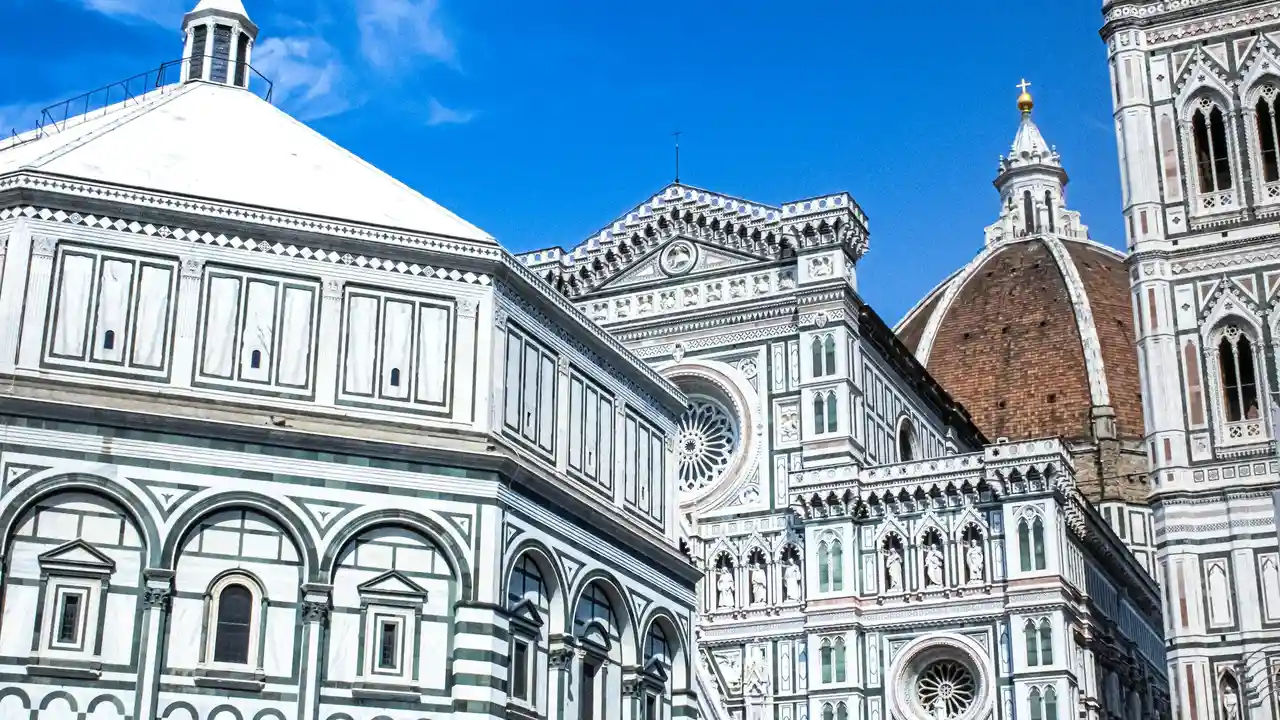
Time: 9:30 AM
Price: €20 (includes access to the cathedral, dome, bell tower, and baptistery)
Duration: Round about 2-3 hours
Location: Piazza del Duomo, 50122 Florence, Italy
Marvel at the awe-inspiring Florence Cathedral, an architectural masterpiece. Climb the iconic dome for panoramic views of the city, visit the bell tower, and explore the Baptistery’s intricate mosaics.
Lunch at a traditional Tuscan trattoria.
The trip to Florence is incomplete without indulging in Tuscan cuisine. Therefore, savor Tuscan cuisine with dishes like “ribollita” (bread and vegetable soup) or “pappa al pomodoro” (tomato and bread soup) complemented by a glass of Chianti wine. Lastly, keep in mind that time management is very important.
Time: 1:00 PM
Price: €15-€25 per person
Duration: 1 hour
Address: Choose a cozy trattoria in the historic center.
Visit the Uffizi Gallery.
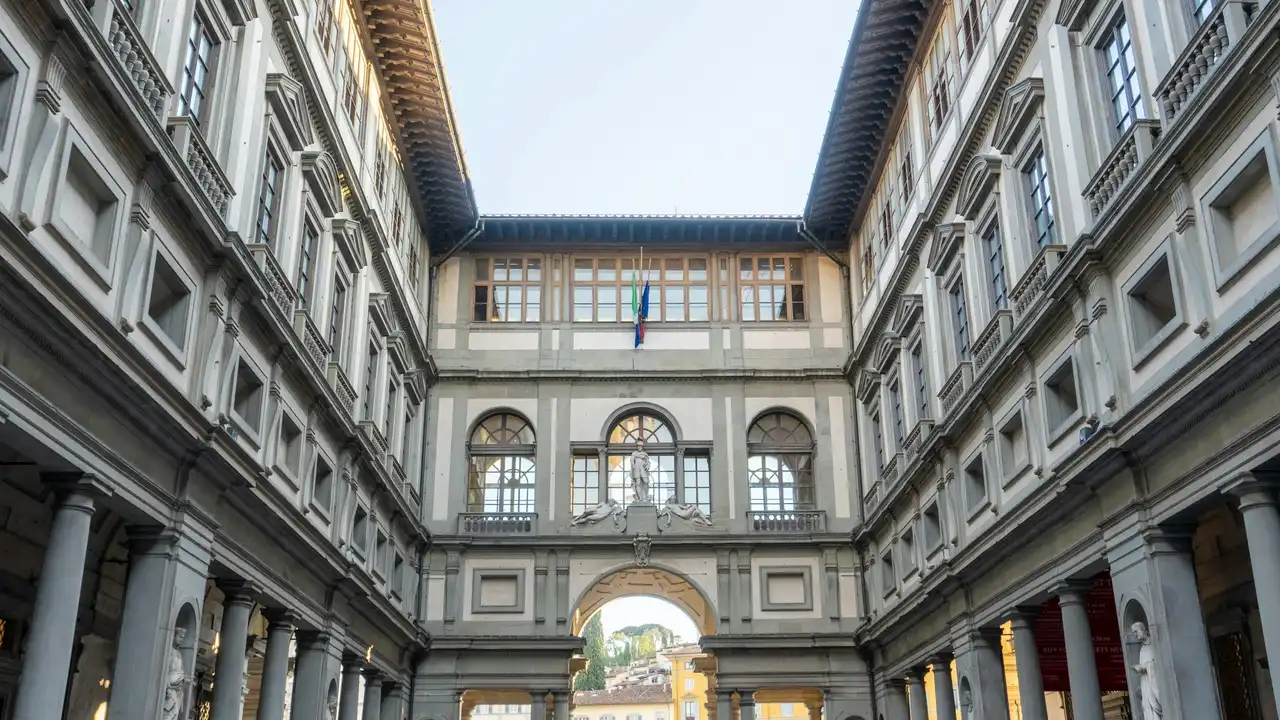
At 2:30 PM, visit the Uffizi Gallery. The place attracts artists from around the world. Therefore, it is suggested to immerse yourself in art and culture at the renowned Uffizi Gallery. Moreover, admire masterpieces by famous artists like Botticelli, Michelangelo, and Leonardo da Vinci. The fee per person is €20. However, children under 18 can visit for free. The address of the gallery is Piazzale degli Uffizi, 6, 50122 Florence, Italy. It is advisable to explore it for 2-3 hours.
Afternoon coffee and Italian gelato.
After a day’s long wandering, relax with a scoop of creamy Italian gelato or a cup of espresso. Satisfy your sweet tooth with flavors like “stracciatella” or “tiramisu.” Therefore, at 4:30 PM, find a charming café or gelateria in the historic center. It will cost around €5-€10 per person. Enjoy your coffee and relax for at least an hour.
Dinner at a traditional Tuscan ristorante.
The authentic dishes of Tuscany are famous across the world. Therefore, at 7:00 PM, prepare for dinner, including savory Tuscan dishes such as “bistecca alla fiorentina” (Florentine steak) or “pappardelle al cinghiale” (wild boar pasta) in a cozy, rustic setting. The dinner costs €25-€40 per person. Look for a classic Tuscan restaurant like “Il Latini” or “Trattoria ZaZa.” The dinner requires approximately 1.5 hours.
Enjoy Florence’s Fascinating evening atmosphere.
At 9:30 PM, enjoy Florence’s fascinating evening ambiance. Take a peaceful walk along the Arno River. You can also enjoy live music in a local bar. Therefore, Florence’s nightlife hotspots, such as Santo Spirito or Santa Croce, are worth exploring. The expense incurred may vary depending on your choice. Keep exploring for 2-3 hours.
Return to your peaceful abode in Florence. Think about the good things that happened throughout the day. Sleep for some time and get ready for the next day’s exploration.
How a Travel Guide Helps You Plan Your Florence 3-Day Itinerary?
A travel guide is an essential tool that transforms a chaotic trip into a smooth journey. It helps you organize complex logistical data into a useful plan that you can use to save valuable time and minimize stressful errors.
Moreover, a guide can also provide deep historical and cultural context, which turns a simple landmark into a meaningful story. It will help ensure that you do not miss hidden local gems.
Most importantly, they protect your schedule through sensible guidance regarding booking requirements, safety precautions, and local culture. In the end, an excellent travel guide becomes a strategic map that helps you navigate through the crowds, enabling you to get fully immersed in the experience.
Florence 3-Day Itinerary – Day Two
Breakfast.
Begin the second day of your Florence 3-day itinerary with a traditional Italian breakfast. Taste delicious Italian pastries, such as “sfogliatella” (layered pastry) or “cornetto alla crema” (cream-filled croissant), accompanied by a cappuccino. Moreover, the address and the exact time are given below:
Time: 8:00 AM
Price: €5-€10 per person
Duration: 1 hour
Address: Find a café near your accommodation.
Visit the Galleria dell’Accademia.
Time: 9:30 AM
Price: €16 (adults), Free for children under 18
Duration: Approximately 2 hours
Address: Via Ricasoli, 58/60, 50122 Florence, Italy
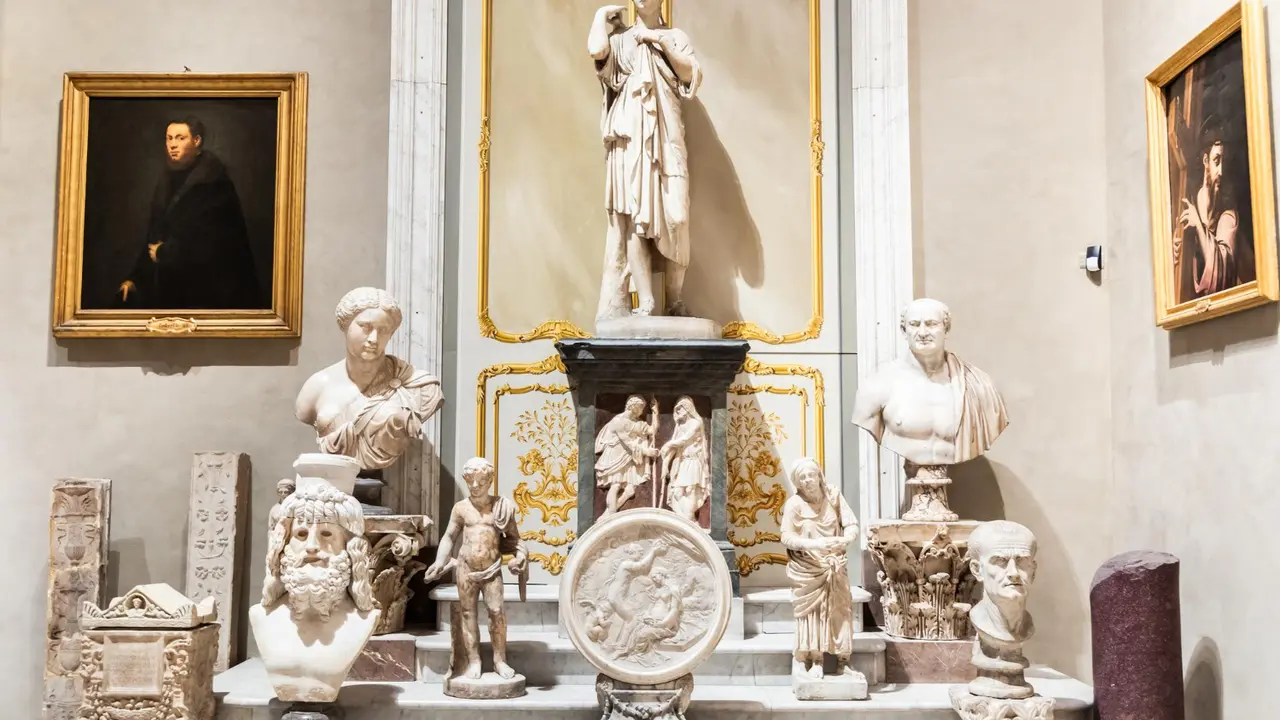
Explore the iconic Galleria dell’Accademia, home to Michelangelo’s masterpiece, the statue of David. Admire other notable works of art and sculptures.
Lunch at a charming trattoria or osteria.
Time: 12:30 PM
Price: €15-€25 per person
Duration: 1 hour
Address: Choose a cozy trattoria or osteria in the historic center.
Enjoy a leisurely lunch with Tuscan specialties like “crostini” (toasted bread with toppings) or “risotto al tartufo” (truffle risotto). Pair your meal with a local Tuscan wine.
Explore Ponte Vecchio.
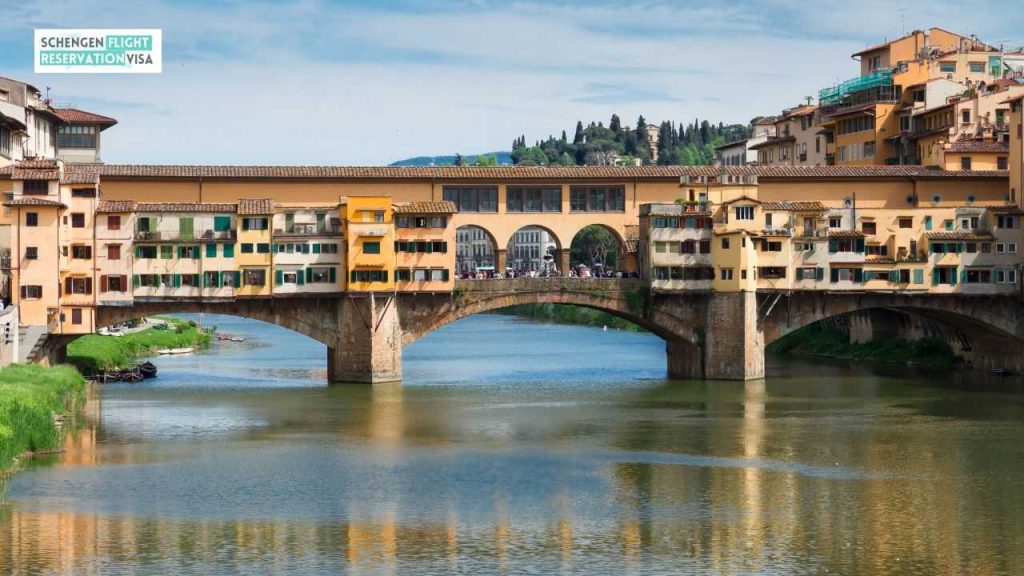
At 2:30 PM, explore and stroll across the iconic Ponte Vecchio, a historic bridge lined with charming shops. Besides, take in the picturesque views of the Arno River and the city’s medieval architecture. As far as its address is concerned, it is located at Ponte Vecchio, 50125 Florence, Italy. Surprisingly, it has no price and is free. You should spend approximately 1.5 hours.
Afternoon coffee and Italian pastries.
At 4:30 PM, search for a charming café in the historic center. Indulge in Italian pastries like “cannoli” (crispy pastries filled with cream) or “zeppole” (fried doughnuts) with a cup of espresso or “caffè macchiato. The total cost incurred by the coffee is €5-€10 per person. In the same way, owing to time constraints, spend 1 hour at best.
Dinner at a Tuscan ristorante with a view.
At 7:00 PM, prepare for dinner at some charming place. Choose a restaurant with a panoramic view, such as “La Terrazza” or “Golden View Open Bar.” Moreover, savor delicious Tuscan cuisine. It will take about 2 hours. Besides the food, you can also enjoy panoramic views, such as at “La Terrazza” or “Golden View Open Bar.” The estimated price of dinner is €30-€50 per person.
Experience Florence’s Delightful nightlife.
The fanfare of Florentine nightlife has no comparison. Don’t miss out on walking across the lively districts, such as Oltrarno or San Niccolò. Besides, visit the local jazz clubs. The nightlife of Florence consists of live music performances. The price may vary depending on your choice. Moreover, spend approximately 2-3 hours.
After a full-day adventure, return to your comfortable Florence lodging. Think about your day filled with the most beautiful moments of art, culture, and scenic beauty. Rest up for your final day in this captivating Italian city, where more exciting adventures await!
Florence 3-Day Itinerary – Day Three
Breakfast.
As usual, begin your day with the traditional Italian breakfast at 8:00 AM. The price is €5-€10 per person. In the same way, it takes at least 1 hour. Preferably, find a cozy café in Florence for breakfast. Savor traditional “brioche con crema” (cream-filled pastry) or “ciambella” (ring-shaped cake) from a local café. Moreover, complete your breakfast with a cup of sweet-scented Italian herbal tea.
Explore the Florence Pitti Palace (Palazzo Pitti).
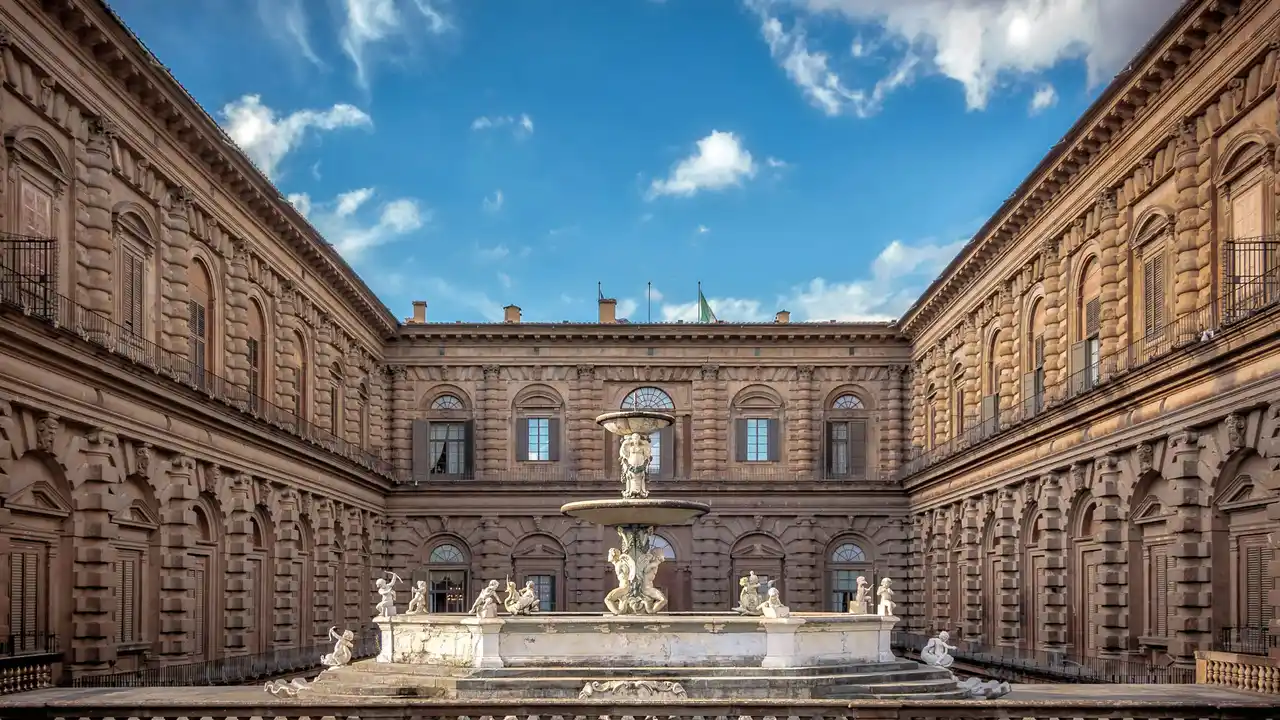
The Medici family of Florence has a great history. This opulent family evokes great interest for historians. Therefore, the Florence trip is incomplete without visiting the Pitti Palace. Besides its architecture, it is reminiscent of the great family. Explore its stunning art collections, lush gardens, and impressive architecture. Keep in mind the following details:
Time: 9:30 AM
Price: €16 (adults), Free for children under 18
Duration: Approximately 2 hours
Address: Piazza de’ Pitti, 1, 50125 Florence, Italy
Lunch at a charming restaurant near Piazza della Signoria.
At 12:30 PM, choose a restaurant near Piazza della Signoria. Relax and enjoy a meal with options like “tagliatelle al tartufo” (truffle pasta) or “osso buco” (braised veal shanks) in the heart of Florence’s historic district. The meal costs approximately €20-€35 per person. Due to other exploration, it is suggested to spend 1 hour.
Visit the Florence Boboli Gardens (Giardino di Boboli).
Time: 2:30 PM
Price: €12 (adults), Free for children under 18
Duration: Approximately 2 hours
Address: Piazza de’ Pitti, 1, 50125 Florence, Italy
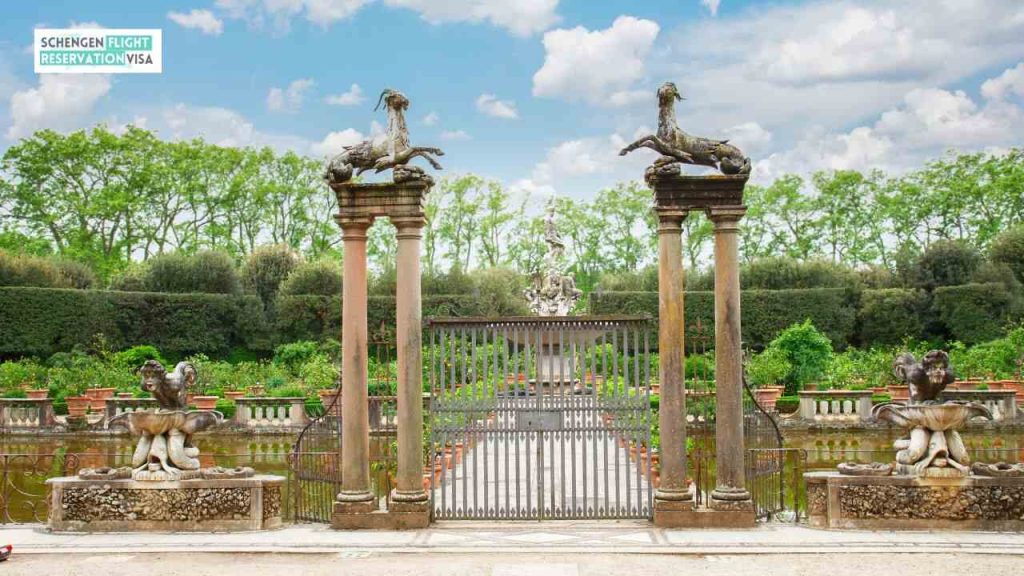
Explore the magnificent Boboli Gardens, a masterpiece of Italian Renaissance landscaping. Wander through its lush greenery, fountains, and sculptures.
Afternoon coffee and Italian artisanal chocolates.
Time: 4:30 PM
Price: €5-€10 per person
Duration: 1 hour
Address: Find a charming café or chocolate shop in the historic center.
Indulge in Italian artisanal chocolates and pralines with a cup of espresso or “cioccolata calda” (hot chocolate).
Dinner at a Tuscan trattoria with live music.
Time: 7:00 PM
Price: €25-€40 per person
Duration: Approximately 2 hours
Address: Choose a trattoria with live music, such as “Trattoria Anita” or “Trattoria ZaZa.”
Savor authentic Tuscan dishes while enjoying live music performances in a lively atmosphere.
Experience Florence’s nighttime charm.
Florence has breathtaking nightlife. The city is home to some of the most famous evening districts, such as Santo Spirito or San Frediano. Besides, you can take a peaceful walk through the historic streets. Moreover appreciate the traditional bars scattered here and there. The peak time for the adventure is 9:30 PM. However, the time is not fixed and varies based on your choice. Spend at least 2-3 hours in this charming atmosphere.
Return to your comfortable Florence accommodation, reminiscing about your day filled with art, gardens, and culinary delights. Rest up for your departure or continue your adventures in this timeless Italian city.
FAQs- Florence 3 Day Itinerary
The following section of FAQs will help you plan your Florence 3-day itinerary.
1. Is three days enough to experience Florence?
Yes, 3 days is the perfect amount of time to experience Florence, because it is a compact and highly walkable city. Moreover, in 72 hours, you can visit the crown-jewel museums (Uffizi and Accademia), explore the historic center, climb the Duomo, and cross the river into the artisan Oltrarno neighborhood without feeling rushed.
2. Should I use public transit or taxis to get around Florence?
Not really. You can easily walk everywhere. All the major sights of Florence, including the Santa Maria Novella train station, Duomo, Pitti Palace, and Ponte Vecchio, are located within a 20-minute radius of one another. The historic center is known as the ZTL (limited traffic zone). This means that rental cars are restricted, and taxis are only necessary if you are traveling with heavy luggage.
3. Should I do advance ticket bookings for museums?
Yes, you must pre-book the Uffizi Gallery and the Accademia Gallery weeks ahead. The Accademia features the original statue of David by Michelangelo, and the Uffizi Gallery has one of the finest collections of Renaissance paintings in the world. You will spend up to two or four hours in waiting lines to buy general tickets if you do not book them online.
4. How should I structure my 3 days to avoid museum fatigue?
The perfect way would be to spread out your art sightseeing days. Spend Day 1 seeing the architectural marvels (the Duomo complex and the climb up Giotto’s Campanile), Day 2 seeing the important art galleries indoors (Uffizi in the morning and the Accademia in the afternoon), and then spend Day 3 outdoors, shopping for leather, and relaxing in the Boboli Gardens across the Arno River.
5. Is a day trip to the Tuscan countryside included in the Florence 3-day itinerary?
Only if you have a plan for the third day that is efficient. As Florence needs about 2 to 2.5 days to be really appreciated, you will be able to squeeze a half-day excursion on your last day. Among the most convenient options are a short 15-minute train ride to Prato, a 50-minute train ride to Pisa to visit the Leaning Tower, or an organized wine tasting tour of the Chianti region.
Conclusion
As you finally say farewell to the historic city of Florence, we are hopeful that you have had a great appreciation for the city. As an enthusiastic traveler, you must have enjoyed the flavorful cuisine of the city. In the same way, the nightlife of the Florentine district has a therapeutic impact. One cannot deny the fact that Florence is worth visiting and has many objects of interest. Besides the Uffizi Gallery, the city boasts the Boboli Gardens. It is the birthplace of the renowned artist Michelangelo.
Moreover, the Medici family of Florence flourished in this historical city and built outstanding architecture. Whether you intend to leave or extend your trip, Florence will occupy a special place in your heart. Until we meet again, may your future travel be filled with wonder and discovery.
Lastly, do not forget to make the right choice by opting for SFRV Travels for your visa travel documents to enjoy your trip with great peace of mind.
Continue Your Journey With:
-
Copenhagen 3-Day Itinerary → Ready for three unforgettable days in Copenhagen? Check out our curated day-by-day plan.
-
Prague 3-Day Itinerary → Want to experience Prague in a long weekend? Here’s a compact, must-see-filled 3-day itinerary.
- Brussels 3-day itinerary → A compact guide through Brussels’ central gems, from historic Grand‑Place to iconic museums and fountains.
A little Bit About Us
At Schengen Flight Reservation for Visa, we make the often overwhelming visa process a breeze. With verifiable documents at unbeatable prices, you are covered with Flight Reservations/Itinerary/Dummy tickets, Hotel Bookings (Proof of Accommodation), and a Travel Insurance Policy.
But that’s not all. Our services and blogs on writing a cover letter for a visa make your application process even smoother.
Are you stuck on something? Check our FAQs section or connect with us anytime through our 24/7 Live Chat because your convenience is our priority.
Our Blog section is your ultimate guide to navigating the ever-evolving world of visa policies & requirements.
Whether you are curious about the visa requirements for any country, changing visa rules & regulations, or need a comprehensive guide about any topic or visa of any country, then simply type your Query in our Blog search bar & get the ultimate detail in just a click.
So, let’s make your visa journey seamless, informed & stress-free!
most searched articles