
An Ultimate Understanding About Differences Between Passport and Visa

Traveling internationally is exciting, and opens doors to new cultures, experiences, and opportunities. Yet, navigating the complexities of international travel documents can be difficult.
So, two terms often fronted in this context are passport and visa.
While they are both vital for international travel. Because they serve different purposes and have different requirements.
Thus, in this blog, we`ll explain the difference between a passport and a visa. Also, clarify their roles, and help you understand how they work together to ease global mobility.
What is a Passport?
A passport is an official document issued by the government. It certifies an individual’s identity and citizenship. So, it serves as the primary form of identification for international travel.
Moreover, a passport allows the holders to enter & exit foreign countries.
Key Features of a Passport
There are some main features that a passport has.
- Identity Verification: It contains personal information, such as full name, date of birth, photographs & nationality.
- Travel Document: Permits the holders to travel internationally, subject to visa requirements of the destination country.
- Consular Protection: Provide access to consular services from the holder`s home country while abroad.
- Biometric Data: Modern passports often include biometric information like fingerprints or facial recognition data for enhanced security.
What are the Types of a Passport?
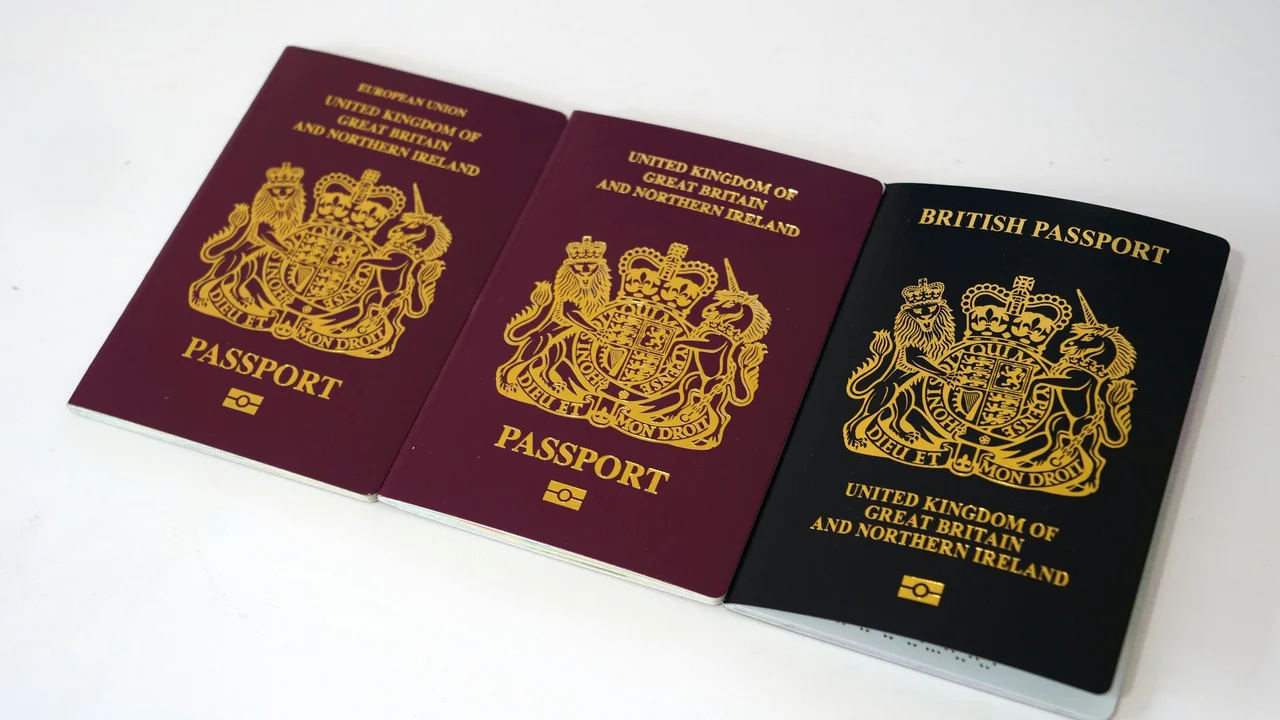
So, depending on the purpose and diverse needs of applicants, a passport is of the following type.
|
Types of Passport |
|||
| Types | Purpose | Pages Count |
Validity |
| Regular Passport | So, this passport is issued to ordinary citizens for standard travel purposes. Moreover, these passports are used for tourism, business trips, visiting family or friends, and other non-official purposes. |
Standard size: Typically ranges from 32 to 48 pages.
For frequent travelers: Some countries offer passports with more pages (i.e 60 to 72 pages), for those who are frequent travelers. So, this reduces the need for early renewal due to page limits. |
Usually valid for 5, or 10 years, depending on the issuing country & age of the applicant. |
| Diplomatic Passport | These passports are issued to government officers, diplomats, and their immediate family members, traveling for official state business. |
Generally include 48 to 64 pages to accommodate multiple visas & diplomatic correspondence. Besides, it also has a special section for official documents & diplomatic notes |
Usually valid for multiple years and often aligns with the terms of diplomatic assignment. |
| Official (Service) Passport | These passports are granted to government employees & officials who are traveling internationally for official duties but do not qualify for diplomatic passports. So, this includes military personnel, public servants & government representatives. |
A standard official passport contains 32 to 48 pages, depending on the frequency & nature of official travel. Besides, it includes additional pages for official stamps & approvals. |
Often linked to the duration of official assignment with renewals as necessary. |
| Emergency Passports | These passports are also known as “temporary or limited-validity passports”. Thus, these are issued under urgent circumstances, when a regular passport is lost, stolen, or damaged, or can`t be obtained in time for immediate travel needs. | Generally includes 2 to 4 pages, enough for visas and entry/exit stamps for a single trip. | Not valid for a specific period, however, replaced with the ordinary passport when the issue is resolved. |
| Special OR Temporary Passport | Some countries issue special or temporary passports for specific groups or situations such as refugees, stateless individuals, or residents without citizenship. | Depends on the issuing country’s policies & the specific type of special passport. | Often limited and subjected to renewal based on the holder’s status and needs. |
What is a Visa?
A visa is an endorsement or stamp placed within the passport. So, it grants the holder permission to enter, stay in, or leave a country for a specific purpose & duration.
Thus, visas are issued by immigration authorities of the destination country and are subject to various criteria.
Key Features of a Visa
These are some characteristics that a visa has.
- Authorization: Grants permission to enter, remain in, or transit through a country.
- Specificity: Often specifies the purpose of visit, (e.g., tourism, business, work, visit family), and duration of visit.
- Conditions: May include restrictions such as no employment rights or limitations on movement within the country.
What are the Types of a Visa?
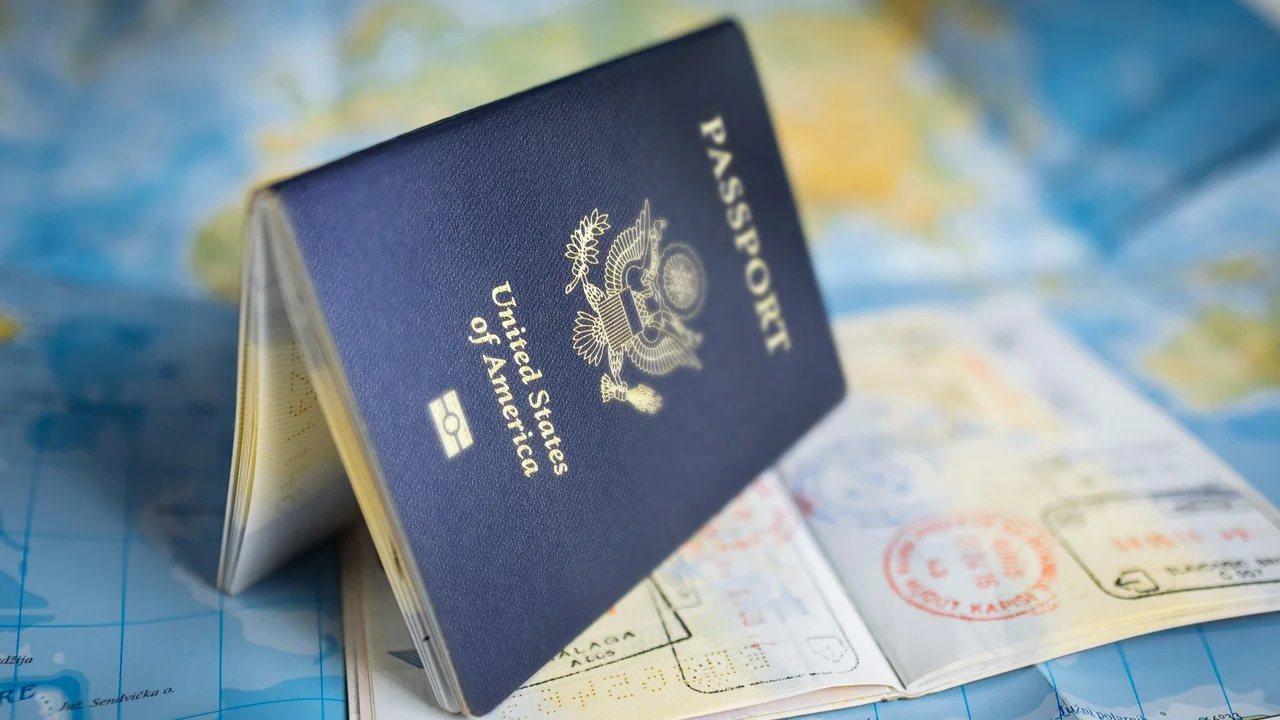
So, depending on the purpose of the visa, there are the following types of visas, granted to individuals.
- Short-Term Stay Visas
- Long-Term Stay Visas
- Visas On Arrival (VOA)
Short-Term Stay Visas
Depending on the purpose of the visit there are the following: short-term stay visas are granted allowing a single-entry (only one entry allowed), or a multiple-entry visa(allowing multiple entries in the destination country during the visa validity).
Besides, some countries allow the eVisa facility to individuals. So, they can apply for short-term stay visas (online) via their online eVisa portals.
|
Types of Visas |
||
| Visa Types | Purpose of Visit |
Validity |
| Tourist Visa | Granted for leisure, visit, and spending vacations. |
The validity of a visa depends on the country and its policies. Generally, valid for 30 to 90 days. |
| Work Visa | Granted to those who want to work in the destination country. | Firstly, granted for a short-term period, then extendable depending on the employment contract. |
| Business Visa | This visa is granted to individuals who want to attend business meetings and conferences in the destination country. | Generally, valid for 30 to 90 days, on a single or multiple entry. |
| Study Visa | For students who want to study in their destination country. | Generally, granted for 30 to 90 days, but extendable according to circumstances. |
| Transit Visa | So, this visa allows its holders to pass through the en-route of the connecting country, to reach their destination country. | Generally, valid for a period of 5 to 10 days & non-extendable |
| Visit Visa | For visiting family or friends, residing in the destination country. | Generally, it depends on the policies of the destination country, but valid for between 30 to 90 days. |
Long-Term Stay Visas
These visas are granted for a long-term stay in the destination country by showing a valid purpose of stay. Generally, short-term stay visas are further extended into long-term stay visas.
Then, it leads to the permanent resident of the destination country according to their specific policies & regulations.
Visas On Arrival
These visas are granted to individuals at the airport, by providing their documents and obtaining the visa within a few minutes or hours.
However, every state does not allow on-arrival visa facilities in every country. So, before traveling to the destination country, check its rules & regulations about visas.
How to Obtain a Passport & a Visa?
So, here are the comprehensive details about obtaining a visa & passport.
Obtaining a Passport
Obtaining a passport contains the following steps are
Step 1: Check Eligibility
To obtain a visa, you must be a citizen of a certain country holding a valid nationality.
Step 2: Processing of Application
Then, fill out the application form provided by the passport office. After that, submit the necessary documents such as ID cards, civil status documents, etc. Also, provide photographs meeting specified requirements.
Step 3: Pay the fee
Then, pay the application fee, and wait for processing time which varies but typically ranges from a few weeks to a couple of months.
Obtaining a Visa
So, getting a visa requires the following simple steps.
Step 1: Select the Country & Visa Type
Firstly, select the destination country of your visa, After that, choose the type of visa you wish to apply for. Also, check the specific visa requirements and visa regulations.
Step 2: Prepare Documents
Then, prepare the documents required for a visa including a valid passport.
Step 3: Application Submission
Then, fill out the visa application form for the destination country, and submit it to the specific embassy.
Step 4: Pay the Visa Fee
Then, pay the specific amount of visa fee required by the embassy.
Step 5: Wait for Visa Results
Then, wait for the processing of the visa. Generally, it takes 10 to 20 days to approve.
Key Difference Between a Visa & a Passport?
While passports and visas are both crucial for international travel, they serve different functions and have distinct characteristics.
|
Difference Between Visa & Passport |
||
| Difference By | Passport |
Visa |
| Objective | Proves the individual’s identity & nationality for travel. | Permit the individual to enter the country. |
| Provided By | The government of the country. | Immigration authorities (embassy) of the destination country. |
| Validity | Typically valid for 5 or 10 years, and can be renewed. | Depends on the purpose of visit and countries rules & regulations. |
| Requirement for travel | Required for visa approval. | Not required frequently, just required for foreign travel. |
| Example | A small booklet having your photo, biographical information, and nationality. | It is a stamp or sticker placed on your passport page. |
Common Misconception About Visa & Passport
So, there are some misconceptions about visas and passports. Let’s discuss them.
A Passport is the same as a Visa
Both are functionally & systematically different. A passport is proof of identity and citizenship, while a visa grants permission to enter a specific country.
All Countries Require Visas
Visa requirements vary based on the traveler’s nationality and the destination country’s policies. Yet, some countries have visa-free agreements allowing travelers to enter without a visa for short stays.
A Visa Guarantees Entry
A visa allows you to approach a country’s border and request entry. Yet, the final decision is made by immigration officers at the port of entry.
Visas are Always Stamped in the Passport
With the advent of electronic visas (e-Visas), some countries issue visas digitally. So, it reduces the need for physical stamps or stickers in passports.
Once Issued, a Visa is Always Valid
Visas have specific validity periods and conditions. Overstaying a visa can lead to penalties, including fines, or bans on future travel.
FAQs-Differences Between Passport and Visa
These are frequently asked questions about a visa, and passport and their difference.
Q1: Can I travel without a visa but with a valid passport?
Answer: Yes, you can travel with a passport without having a visa only in visa-free countries.
Q2: Can a passport be revoked or canceled?
Answer: Yes a passport can be revoked or canceled by the issuing country for various reasons.
Q3: Can I apply for multiple visas on a single passport?
Answer: Yes, you can apply for the visa of multiple countries, holding a single passport.
Q4: What is an e-passport?
Answer: It is the passport in electronic form with your biometric data.
Q5: Can minors travel on their parents’ passports?
Answer: No, they will require their own passport.
Q6: Can I have two valid passports?
Answer: Yes, you can have two valid passports in case of dual nationality and as a second passport.
Q7: Is a passport required for Domestic flights?
Answer: No, you do not usually need a passport for domestic flights, yet, other government-issued photo ID is acceptable.
So, be sure to check your country’s travel regulations about domestic and international travel.
Q8: How much validity of a passport is required for travel?
Answer: Make sure your passport remains valid for 6 months beyond your planned departure date from the destination country.
Q9: Do I need a new passport if I change my name?
Answer: Yes, if you have officially changed your name or surname then, you must apply for a new passport.
So, it is important that your travel documents accurately reflect your identity.
Q10: Does a passport number change when it is renewed?
Answer: Yes, when you receive a new passport, it has a different number than your old passport.
Read Also:
A little Bit About Us
At Schengen Flight Reservation for Visa, we make the often overwhelming visa process a breeze. With verifiable documents at unbeatable prices, you are covered with Flight Reservations/Itinerary/Dummy tickets, Hotel Bookings (Proof of Accommodation), and a Travel Insurance Policy.
But that’s not all. Our services and blogs on writing a cover letter for a visa make your application process even smoother.
Are you stuck on something? Check our FAQs section or connect with us anytime through our 24/7 Live Chat because your convenience is our priority.
Our Blog section is your ultimate guide to navigating the ever-evolving world of visa policies & requirements.
Whether you are curious about the visa requirements for any country, changing visa rules & regulations, or need a comprehensive guide about any topic or visa of any country, then simply type your Query in our Blog search bar & get the ultimate detail in just a click.
So, let’s make your visa journey seamless, informed & stress-free!
most searched articles